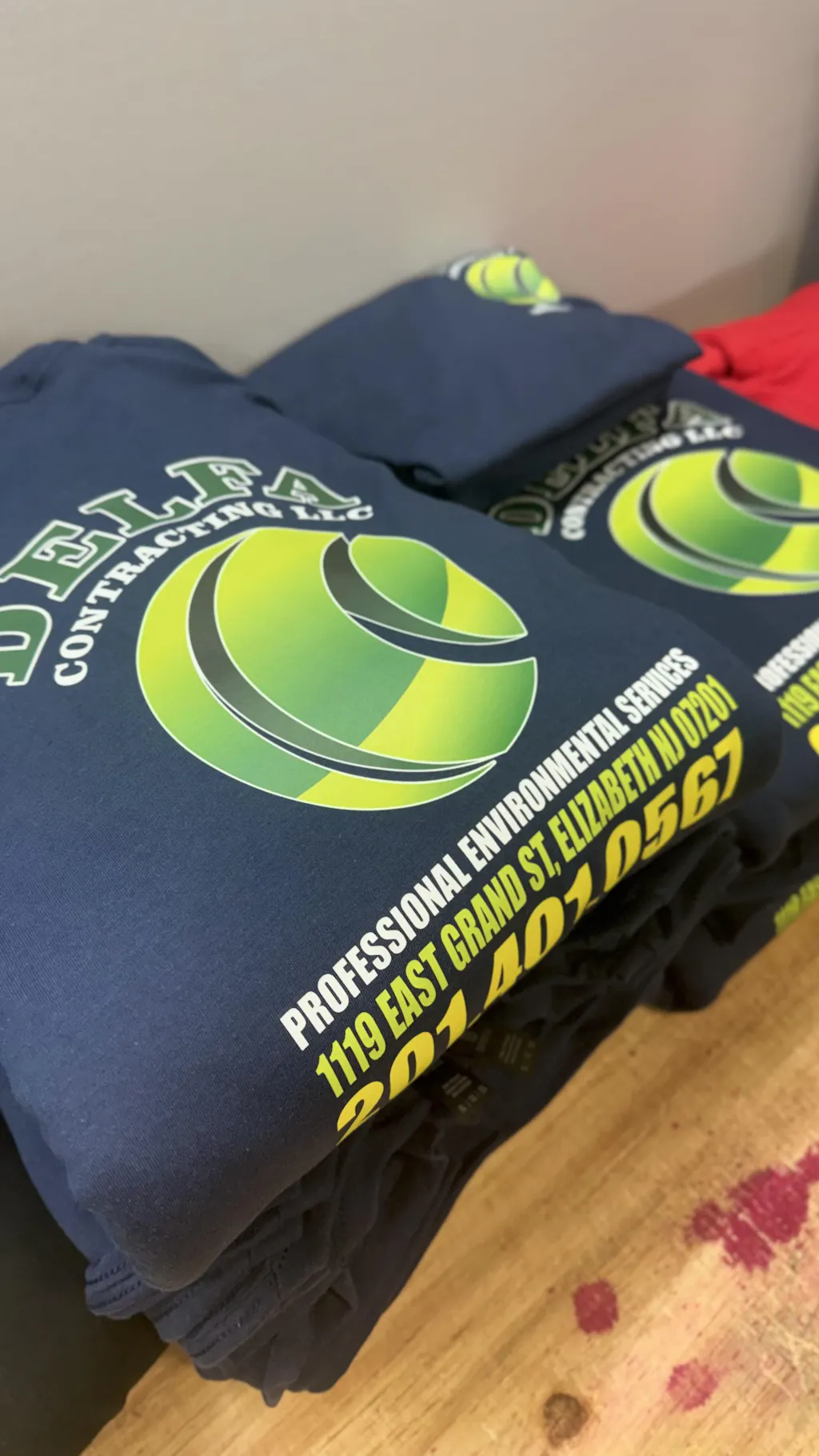
A Comprehensive Guide to Modern Apparel DTF Printing on Shirts
The custom garment industry has experienced a massive shift in recent years. Many entrepreneurs and hobbyists are now asking, What Is DTF Printing on Shirts? DTF, or Direct-to-Film, is a revolutionary printing method that allows you to transfer digital designs directly onto fabric. This technique bypasses the limitations of older methods like sublimation or screen printing. It offers a unique combination of high-resolution detail and incredible durability. This guide will explain the technology, the process, and why it is the top choice for modern shirt businesses.
The Basic Concept of DTF Technology
To understand What Is DTF Printing on Shirts, you must first look at the name. Unlike Direct-to-Garment (DTG), where the printer applies ink straight to the fabric, DTF uses an intermediate step.
The Film Carrier The process begins with a specialized PET (Polyethylene Terephthalate) film. This film is coated with a unique substance that holds wet ink without letting it bleed. You print your design onto this film in a mirrored format. This ensures that when you flip the film onto the shirt, the design appears correctly.
The Hybrid Approach DTF combines the best parts of digital printing and heat transfers. It uses digital precision to create the image but relies on a thermal bond to secure it to the shirt. This hybrid nature makes it one of the most versatile tools in any print shop.
How the DTF Process Works Step-by-Step
Understanding What Is DTF Printing on Shirts requires a look at the five main stages of production. Each step is vital for a long-lasting result.
-
Digital Printing: A specialized inkjet printer applies CMYK colors and then a thick layer of white ink onto the PET film.
-
Powder Application: While the white ink is still wet, a hot-melt adhesive powder is applied to the film.
-
Curing: The powdered film is heated in an oven or under a heat press. This melts the powder into a solid, tacky glue layer.
-
Heat Pressing: The cured film is placed on the shirt and pressed at a high temperature. This bonds the ink to the fabric fibers.
-
Peeling: Once the transfer is cool (or hot, depending on the film type), the PET film is removed, leaving the design on the shirt.
Why Choose DTF Over Other Methods?
When people ask What Is DTF Printing on Shirts, they are usually looking for a better alternative to their current setup. DTF offers several distinct advantages.
Versatility with Fabric Colors Sublimation printing only works on white or light-colored shirts. DTF, however, can be applied to any color. Because it uses a solid white ink base, a bright yellow design will look perfect even on a jet-black hoodie.
Compatible with Multiple Materials Most digital methods are picky about fabric types. DTF is not. It works beautifully on 100% cotton, polyester, nylon, and poly-cotton blends. You can even use it on denim or leather. This flexibility allows you to offer more products to your customers without buying extra equipment.
Durability and Feel The final print is remarkably thin and soft. It does not feel like a heavy plastic sticker. Instead, it stretches with the fabric and does not crack. To ensure this high quality, using premium supplies is essential. You can find high-pigment options in the
Essential Equipment for Your Shop
To successfully master What Is DTF Printing on Shirts, you need the right set of tools. Each piece of equipment plays a role in the longevity of the final product.
-
DTF Printer: A modified inkjet printer with white ink circulation.
-
PET Film: High-quality sheets or rolls that can withstand heat.
-
Adhesive Powder: The "glue" that creates the permanent bond.
-
RIP Software: Professional software to manage ink density and mirroring.
The adhesive powder is perhaps the most underrated component. It determines how well the design survives the washing machine. For professional-grade results, check out the
Maintenance and Care
A common concern regarding What Is DTF Printing on Shirts is the maintenance of the printer. Because DTF ink is thicker than standard ink, the machine requires daily attention.
The Importance of White Ink Management White ink contains titanium dioxide, which can settle and cause clogs. You must shake the ink tanks daily and perform regular nozzle checks. If you plan to leave your printer idle, you must use cleaning solutions. You can find specialized kits in the
Expanding Beyond Shirts: UV DTF
Once you understand the fabric side, you might wonder about hard surfaces. This is where UV DTF comes in. While regular DTF is for shirts, UV DTF is for mugs, bottles, and electronics. It follows a similar "print and transfer" logic but uses UV-curable ink. For businesses looking to scale, using
Common Myths About DTF
Some people believe DTF is just "fancy heat transfer vinyl." This is incorrect. Unlike vinyl, DTF involves no weeding. You can print incredibly intricate details and gradients that vinyl simply cannot reproduce. Others think it is too expensive. In reality, the cost per print for DTF is often lower than DTG because the equipment and ink are more efficient.
Conclusion
So, What Is DTF Printing on Shirts? It is the most flexible, durable, and vibrant printing solution currently available. It bridges the gap between small DIY projects and large-scale industrial production. By following the correct curing and pressing steps, you can create custom apparel that rivals any major retail brand. Whether you are starting a new business or upgrading your existing shop, DTF provides the tools you need to succeed in a competitive market.
Join our growing community online to stay updated with the latest trends and innovations in the printing world. Follow us on