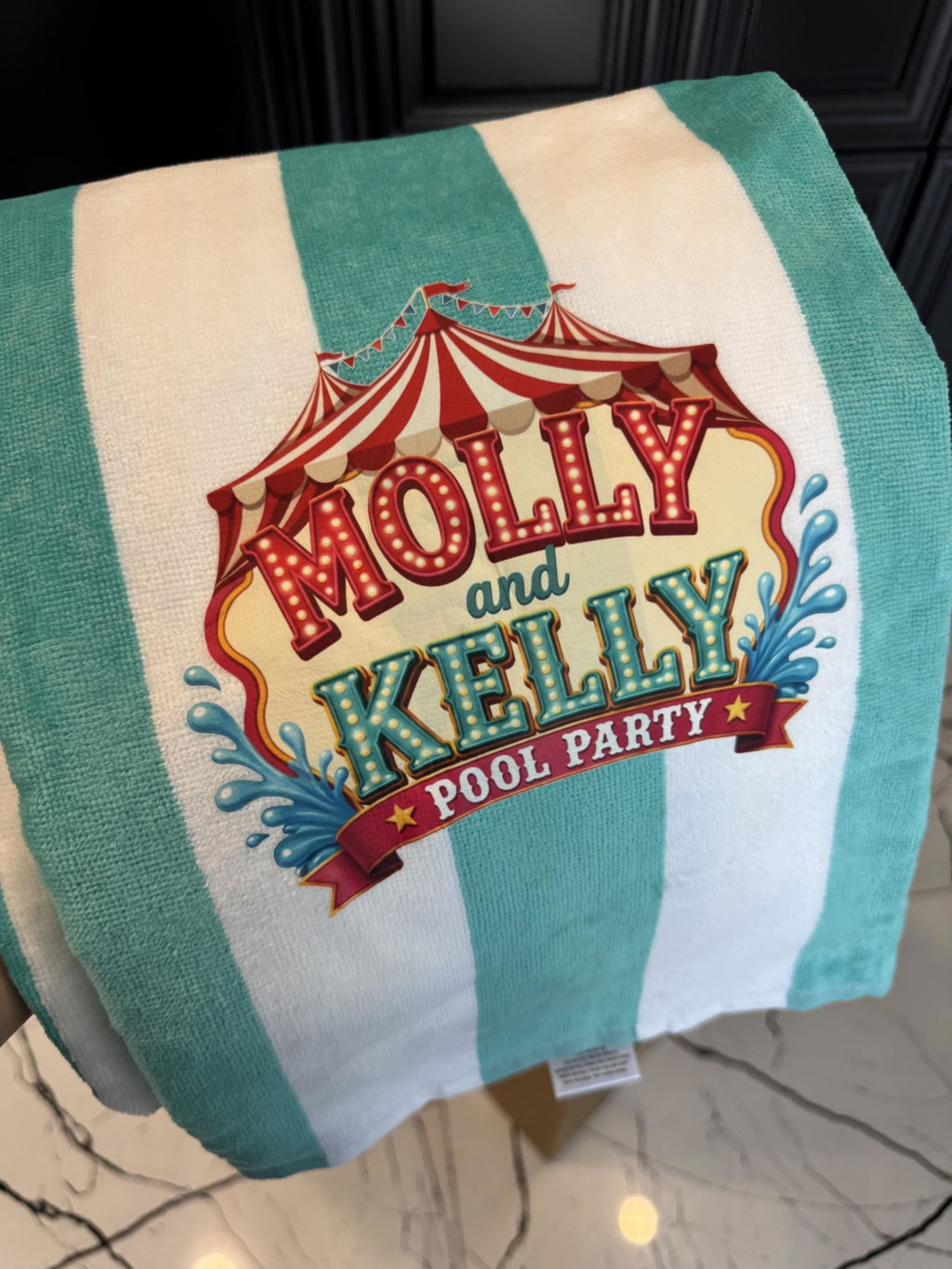
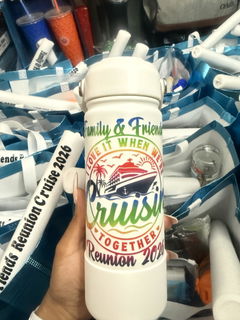
In the rapidly evolving world of custom apparel, standing out is the ultimate goal. As we move through 2026, the demand for high-impact, textured designs has led to the rise of Glitter DTF Transfers. This innovative technology combines the precision of Direct-to-Film printing with the eye-catching sparkle of traditional glitter. For "Ready-to-Press" businesses, this is the perfect way to offer premium, high-margin products that standard printing simply cannot match.
Glitter DTF Transfers utilize a specialized PET film coated with fine glitter particles. Unlike traditional glitter vinyl (HTV), which requires tedious weeding, Glitter DTF allows for complex, full-color gradients to be printed directly onto a sparkling surface. The ink bonds with the glitter base, creating a durable and dazzling finish. When the design is pressed onto a garment, the result is a vibrant, multi-dimensional graphic that moves and catches the light.
Key Components of the Process:
Glitter-Coated PET Film: The foundation that provides the sparkle.
Specialized DTF Ink: High-density pigments that adhere to the glitter texture.
TPU Adhesive Powder: The bonding agent applied via a Powder Coating Module.
Heat Press: The final step to fuse the glitter design to the fabric.
In a saturated market, offering "Standard" prints is often not enough. Glitter DTF Transfers provide a unique selling point that appeals to dance teams, spirit wear, and fashion-forward brands. Because it integrates seamlessly with your existing DTF Supplies, it is a low-risk, high-reward upgrade for your shop.
The Benefits of Glitter DTF:
No Weeding Required: Print intricate details and small text that would be impossible with glitter vinyl.
Full-Color Capability: Achieve photographic images with a glittery overlay.
Soft Hand Feel: Despite the texture, modern glitter films are engineered to be flexible and comfortable.
High Durability: Engineered to withstand 50+ wash cycles without losing sparkle or peeling.
Printing on glitter film requires a slightly different approach than standard matte film. Because the surface is textured, your hardware settings must be precise.
Optimization Tips:
Ink Volume: You may need to increase your ink limit by 10-15% to ensure the pigment fills the gaps between glitter particles.
Curing Temperature: Glitter film often requires a slightly longer curing time in the oven to ensure the powder melts into the textured surface.
Anti-Static Care: Glitter particles can create extra friction. Use a Round Magnetic Ring on your data cables to prevent signal interference.
Sensor Calibration: Ensure your E18-D30NA Photoelectric Sensor is adjusted to recognize the reflective surface of the glitter film.
Glitter film is abrasive. Over time, the tiny particles can shed and enter the delicate mechanical parts of your printer. Consistent maintenance is the only way to protect your investment.
Maintenance Checklist:
Positioning Rod Cleaning: Wipe the Positioning Rod daily to ensure no stray glitter flakes interfere with the carriage movement.
Encoder Strip Inspection: Glitter dust on the encoder strip can cause double-printing. Clean it with a dry, soft cloth.
Waste Ink Management: Ensure your capping station is clear of glitter debris to maintain a perfect vacuum seal.
Static Grounding: Use anti-static brushes to keep the film from attracting dust as it enters the Powder Disperse Motor stage.
The versatility of Glitter DTF Transfers makes them suitable for a wide range of products. In 2026, the trend is moving toward "Mixed Media" where glitter is used for specific accents within a larger design.
Cheer and Dance Uniforms: High-visibility graphics that look amazing under stage lights.
Holiday Merchandise: Adding a festive sparkle to Christmas and New Year's apparel.
Boutique Fashion: Creating high-end "Ready-to-Press" items for online retailers.
Accessories: Glitter works perfectly on tote bags, hats, and even some types of footwear.
When running glitter films, your printer's safety systems are more important than ever. The textured surface can occasionally cause "film lift," which is a nightmare for expensive printheads.
Proactive Safety Steps:
Anti-Collision: Always enable your Printer Anti-Collision Device. If the glitter film curls due to heat, the sensor will stop the carriage before damage occurs.
Pressure Regulation: Use an Atmospheric Pressure Directional Valve to ensure the ink is delivered at a constant rate, even when printing high-density glitter layers.
Voltage Stability: Protect your setup with a Power Board Converter Adapter if you are running imported high-speed equipment.
Even with the best DTF Supplies, glitter film can be tricky. Here is how to handle the most common hurdles:
Ink Beading: If the ink "beads up" on the film, reduce your humidity or increase the pre-heater temperature.
Poor Adhesion: This usually means the powder didn't penetrate the glitter layer. Try a coarser adhesive powder for better mechanical bonding.
Scratched Nozzle Plate: This is caused by the abrasive film rubbing against the head. Increase your head height (Platen Gap) by 0.2mm when switching from standard to glitter film.
Glitter DTF Transfers represent the perfect marriage of flash and function. By adding this capability to your shop, you provide your customers with a high-value option that standard printers cannot reproduce. With the right DTF Supplies, consistent maintenance, and a focus on safety, you can turn every garment into a shimmering work of art. In the 2026 "Ready-to-Press" market, staying shiny is the best way to stay profitable.
UV DTF Transfers
UV DTF Printer Parts


Your cart is empty