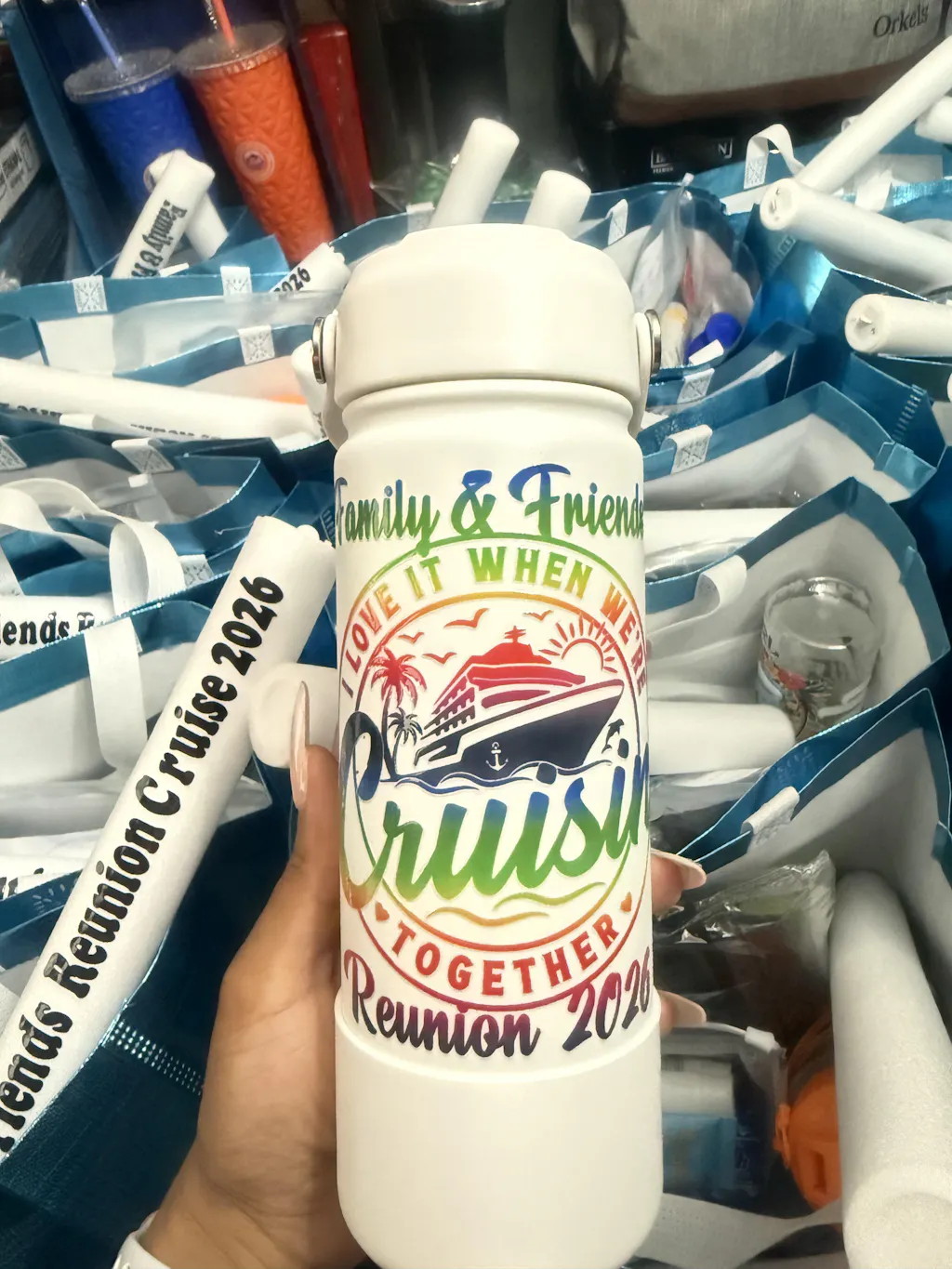
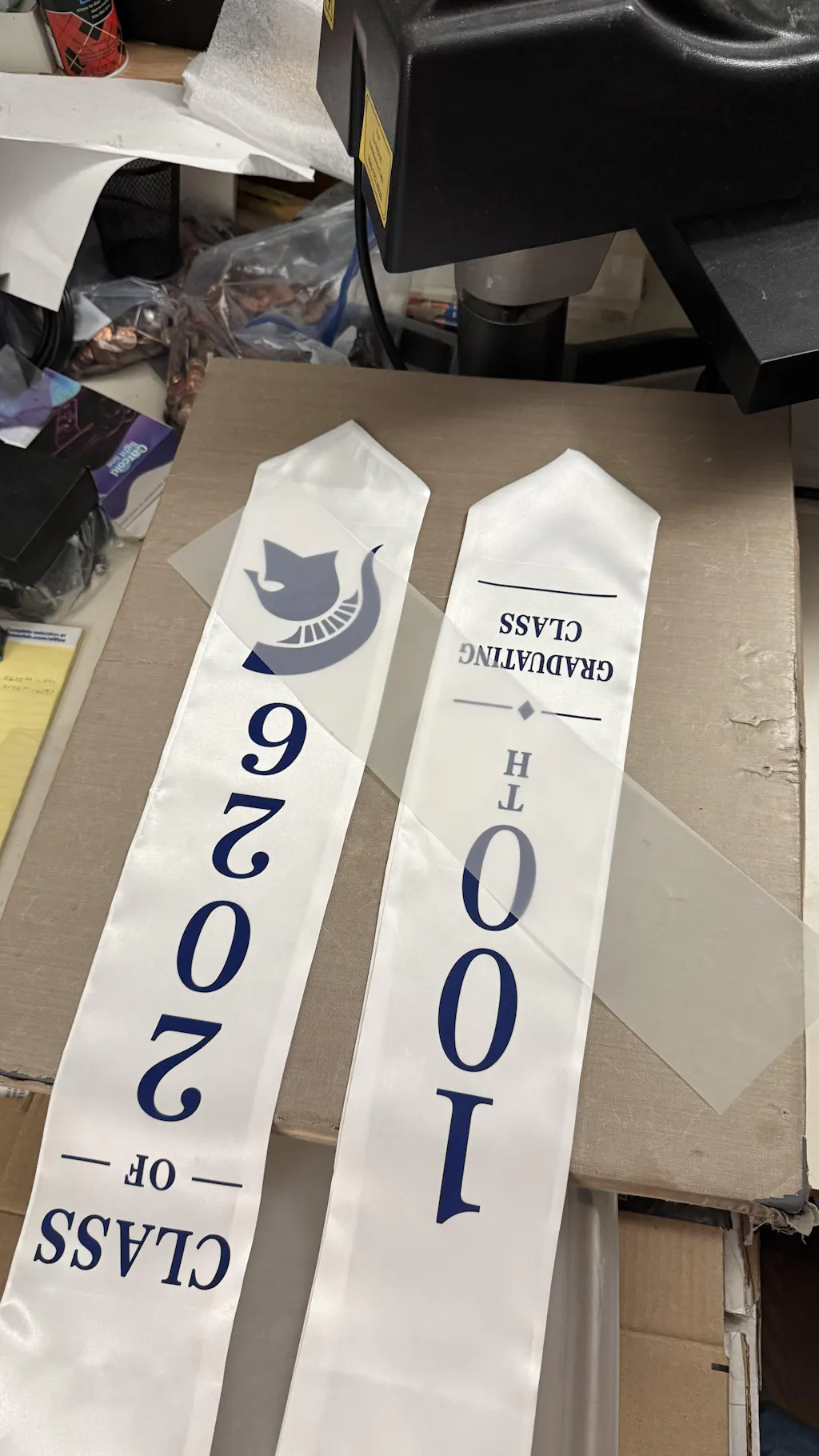
Direct-to-Film printing has rapidly become one of the most popular apparel decoration methods in the printing industry. Businesses, apparel brands, promotional product companies, and hobbyists are adopting DTF technology because of its flexibility, vibrant print quality, and ability to work on a wide variety of materials.
Unlike traditional printing methods that often require specific fabric types or extensive setup procedures, DTF transfers can be applied to numerous materials with consistent results. This versatility makes DTF an attractive solution for businesses looking to expand their product offerings without investing in multiple decoration technologies.
One of the most common questions among newcomers to DTF printing is simple: What materials can DTF transfers be applied to? Understanding material compatibility is essential for achieving professional results and maximizing production opportunities.
In this comprehensive guide, we explore the many materials that support DTF transfers, discuss best practices for application, and explain why DTF has become one of the most versatile printing technologies available today.
What Are DTF Transfers?
DTF stands for Direct-to-Film printing. The process involves printing a design onto a specialized transfer film using dedicated inks. A powdered adhesive is then applied to the printed design before curing. Once prepared, the transfer can be applied to fabric using a heat press.
Unlike Direct-to-Garment printing, which prints directly onto fabric, DTF creates a transfer that can be stored, shipped, and applied when needed.
This workflow offers significant advantages in flexibility, scalability, and material compatibility.
Why Material Compatibility Matters
Every decoration method has strengths and limitations. Some printing technologies work exceptionally well on cotton but struggle with polyester. Others may require specialized treatments or coatings.
DTF stands out because it performs effectively across many different fabric categories. This versatility allows decorators to handle diverse customer requests using a single production workflow.
For businesses seeking reliable customization solutions, material flexibility translates directly into increased revenue opportunities.
Cotton: The Most Popular DTF Application
Cotton remains one of the most common materials used in apparel production. It is comfortable, breathable, durable, and widely accepted by consumers.
DTF transfers perform exceptionally well on cotton garments. The adhesive system creates a strong bond with cotton fibers while maintaining vibrant color reproduction.
Common cotton applications include:
- T-shirts
- Long-sleeve shirts
- Tank tops
- Fashion apparel
- Retail merchandise
- Promotional garments
Because cotton is so widely used, many businesses begin their DTF journey with cotton-based products.
Polyester and Performance Fabrics
Polyester presents challenges for certain decoration methods due to dye migration and heat sensitivity. However, DTF technology has proven highly effective on polyester garments.
Many sportswear and athletic apparel manufacturers use polyester because of its moisture-wicking properties and durability.
DTF transfers can be applied successfully to:
- Athletic jerseys
- Sports uniforms
- Performance shirts
- Workout apparel
- Team merchandise
This capability makes DTF particularly attractive to businesses serving sports organizations and activewear brands.
Cotton-Polyester Blends
Blended fabrics combine the comfort of cotton with the durability and performance characteristics of polyester.
These materials are extremely common in modern apparel manufacturing.
Popular blend ratios include:
- 50/50 cotton-polyester
- 60/40 cotton-polyester
- 65/35 cotton-polyester
- 80/20 cotton-polyester
DTF transfers adhere effectively to these blended materials, providing excellent durability and vibrant print quality.
Hoodies and Sweatshirts
The growing popularity of casual apparel has increased demand for customized hoodies and sweatshirts.
Most hoodies are manufactured using cotton, polyester, or blended fleece fabrics.
DTF transfers work exceptionally well on:
- Pullover hoodies
- Zip-up hoodies
- Crewneck sweatshirts
- Fleece apparel
- Heavyweight garments
The ability to decorate thicker materials consistently has helped make DTF a preferred option for apparel decorators.
Fleece Materials
Fleece fabrics provide warmth and comfort while remaining lightweight.
DTF transfers adhere effectively to fleece products, making them suitable for:
- Fleece jackets
- Quarter-zips
- Outdoor apparel
- Cold-weather garments
- Corporate outerwear
Proper heat press settings are important when working with fleece to ensure optimal adhesion.
Canvas Products
Canvas materials are commonly used for bags, totes, promotional products, and accessories.
DTF technology allows decorators to expand beyond traditional apparel applications.
Popular canvas products include:
- Tote bags
- Canvas backpacks
- Reusable shopping bags
- Promotional accessories
- Event merchandise
The durability of DTF transfers makes them ideal for frequently used canvas products.
Denim Applications
Denim remains one of the most iconic textiles in the fashion industry.
DTF transfers can be successfully applied to denim products such as:
- Jeans
- Denim jackets
- Denim shirts
- Fashion accessories
This capability provides apparel brands with additional opportunities for creative customization.
Workwear and Uniforms
Businesses often require customized uniforms and branded workwear.
DTF transfers provide an excellent solution for:
- Company uniforms
- Restaurant apparel
- Retail uniforms
- Construction apparel
- Service industry garments
The durability of DTF transfers helps maintain professional appearance throughout repeated use and laundering.
Baby and Children's Clothing
DTF printing is increasingly used for children's apparel because it supports vibrant colors and detailed graphics.
Applications include:
- Infant bodysuits
- Children's t-shirts
- School apparel
- Youth sports uniforms
- Family event merchandise
Soft hand feel and strong durability contribute to customer satisfaction in this market segment.
Fashion and Streetwear Brands
Fashion brands require decoration methods capable of reproducing detailed artwork, gradients, and vibrant colors.
DTF technology supports:
- Complex illustrations
- Photographic graphics
- Multi-color artwork
- Small production runs
- Limited-edition releases
These capabilities have made DTF increasingly popular within the streetwear and fashion industries.
Expanding Your Product Catalog with DTF
One of the greatest advantages of DTF is the ability to serve multiple markets using a single decoration technology.
Businesses can leverage custom DTF transfers to create apparel for retail brands, promotional campaigns, sports teams, schools, corporate clients, and event organizers.
This versatility allows decorators to diversify revenue streams and reduce dependence on a single market segment.
Finding the Right Transfer Solutions
As demand for customized apparel grows, businesses require reliable transfer products that deliver consistent quality.
A complete range of DTF transfer solutions allows decorators to support projects of various sizes while maintaining professional results.
Access to dependable transfer products helps streamline production and improve customer satisfaction.
DTF Beyond Traditional Apparel
Although garments remain the primary application, DTF continues expanding into additional textile categories.
Creative businesses are using DTF for:
- Accessories
- Textile promotional products
- Home textiles
- Specialty merchandise
- Event products
As technology evolves, new applications continue emerging across the textile industry.
Learn More About Textile Materials
For readers interested in understanding textile fibers and fabric construction, the Wikipedia article on Textiles provides valuable background information.
Conclusion
DTF printing has transformed the apparel decoration industry by offering exceptional flexibility across a wide variety of materials.
From cotton and polyester to blends, fleece, canvas, denim, and uniforms, DTF transfers provide reliable performance and vibrant print quality. This versatility enables businesses to serve diverse customer needs while maintaining efficient production workflows.
As customization continues to grow in popularity, DTF technology remains one of the most practical and scalable solutions for apparel decorators, print shops, and growing brands.
Businesses seeking dependable transfer solutions can learn more by visiting Fast DTF Transfer and exploring available customization options.
Ready to Print on More Materials?
Expand your apparel offerings with premium DTF transfers designed for cotton, polyester, blends, fleece, denim, canvas, and more.
Order Custom DTF TransfersFrequently Asked Questions (FAQ)
Can DTF transfers be applied to cotton?
Yes. Cotton is one of the most popular and compatible materials for DTF transfers.
Do DTF transfers work on polyester?
Absolutely. DTF printing performs exceptionally well on polyester and athletic apparel.
Can I apply DTF transfers to blended fabrics?
Yes. Cotton-polyester blends are among the most common materials used with DTF transfers.
Can DTF be used on hoodies and sweatshirts?
Yes. DTF transfers adhere very well to hoodies, sweatshirts, and fleece garments.
Will DTF work on denim?
Yes. Denim jackets, jeans, and other denim products can be decorated successfully using DTF transfers.
Can DTF be applied to canvas bags?
Yes. Canvas totes, backpacks, and promotional bags are popular DTF applications.
What is the biggest advantage of DTF material compatibility?
DTF allows decorators to work across many fabric categories using one versatile production process.
Where can I order premium DTF transfers?
You can order professional-quality transfers through Fast DTF Transfer and explore a full range of transfer solutions.