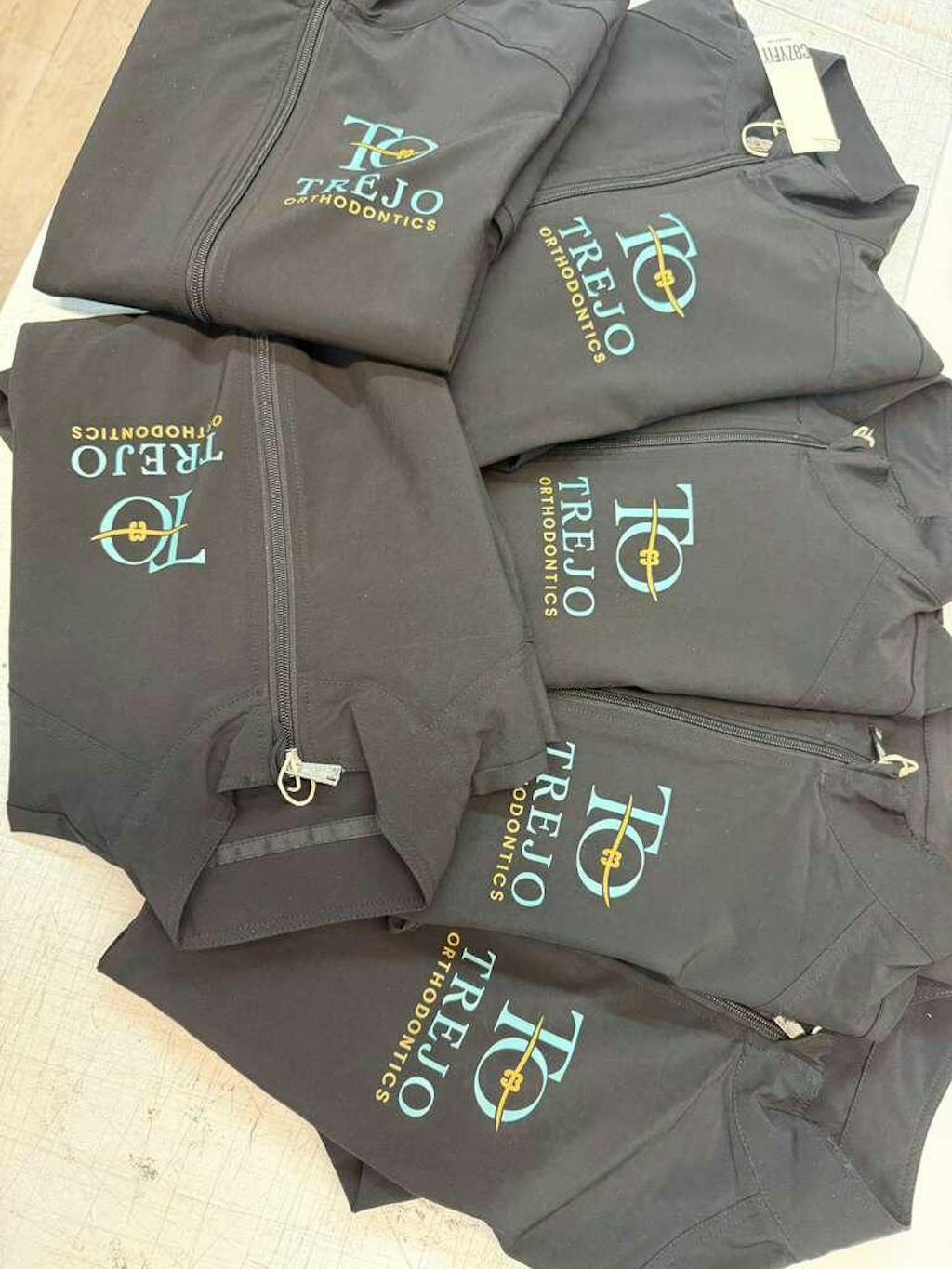
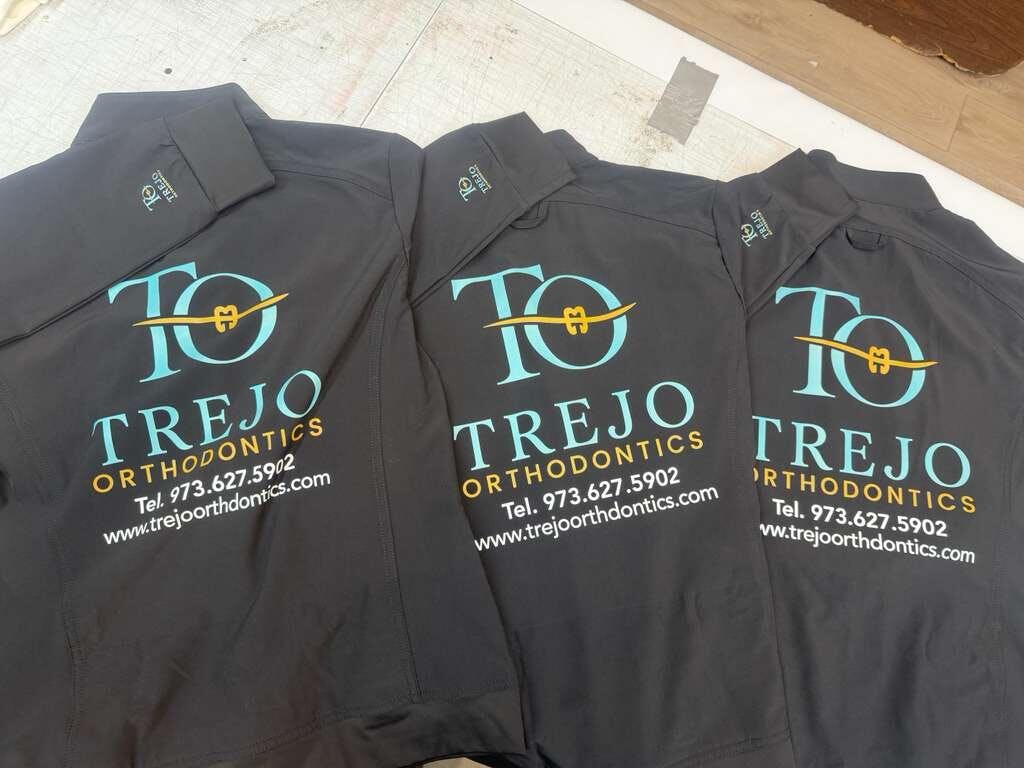
Let customers speak for us
Custom Printed Transfers: The Professional Choice for Modern Branding
The world of product customization is moving faster than ever. For many business owners, the key to staying ahead is finding a reliable way to create high-quality products without massive overhead. This is where Custom Printed Transfers come into play. These versatile tools have revolutionized how we think about apparel and accessory branding. Whether you are running a small Etsy shop or managing a large-scale industrial facility, digital transfers offer a level of precision and ease that traditional methods simply cannot match. This guide explores the diverse world of transfers and how they can transform your production workflow.
What Are Custom Printed Transfers?
To understand the impact of Custom Printed Transfers, you must first understand how they differ from direct printing. Instead of applying ink directly to a final product, the design is printed onto a temporary carrier film or paper.
The Hybrid Printing Method This process combines the precision of digital inkjet technology with the durability of industrial adhesives. The design is printed in reverse on a specialized film. Once the ink is down, a bonding agent—usually a thermal powder—is applied. This creates a "ready-to-apply" patch that can be stored for months and pressed onto a garment in seconds.
Flexibility in Inventory The greatest strength of Custom Printed Transfers is the "print-on-demand" capability. You no longer need to pre-print 500 shirts in various sizes and colors. Instead, you can keep a stock of transfers and blank garments. You only apply the design once a customer makes a purchase. This drastically reduces waste and frees up your capital for other business needs.
Key Technologies in the Transfer Industry
When people talk about Custom Printed Transfers, they are usually referring to a few specific technologies. Choosing the right one depends entirely on your target surface.
1. DTF (Direct-to-Film) Transfers DTF is the current king of the apparel world. These transfers are famous for their "soft-hand" feel and incredible stretch. They work on almost every fabric type, from 100% cotton to difficult synthetics like nylon. To achieve the best color accuracy, professionals rely on high-grade
2. UV DTF Transfers While standard DTF handles the fabric, UV DTF handles everything else. These are used for hard surfaces like glass, metal, and plastic. They use UV-cured inks to create a 3D, embossed effect. For those branding hundreds of items,
3. Plastisol (Screen Print) Transfers These use traditional screen printing inks but are printed on release paper. They offer the thick, classic texture of screen printing but can be applied with a simple heat press, avoiding the mess of screens and squeegees.
Why Businesses are Switching to Transfers
There are several strategic reasons why Custom Printed Transfers are replacing older methods like vinyl cutting and traditional screen printing.
Incredible Detail and Gradients Vinyl cutting is limited to solid colors and requires "weeding" small pieces by hand. Digital transfers allow for photographic detail, complex shading, and millions of colors. You can print a high-resolution portrait just as easily as a simple one-color logo.
Extreme Durability When you use a high-quality bonding agent, like those found in the
Consistency Across Products Because the designs are printed digitally, every single transfer is identical. This ensures that the first shirt you sell looks exactly like the 1,000th shirt. This level of quality control is essential for building a reputable brand.
How to Apply Transfers Like a Pro
Applying Custom Printed Transfers is a straightforward process, but it requires attention to detail. Follow these steps to ensure a perfect finish:
-
Pre-Press the Garment: Press your shirt for 5 seconds before applying the transfer. This removes moisture and wrinkles, ensuring a better bond.
-
Dial in the Heat: Use a temperature between 280°F and 320°F depending on the fabric. Check your heat press with an external thermometer to ensure accuracy.
-
Apply Heavy Pressure: The adhesive needs pressure to sink into the fabric fibers. If the design feels like it's "sitting on top," you likely didn't use enough pressure.
-
The Second Press: After peeling the film, press the design again for 5 seconds using a finishing sheet (like Teflon or parchment paper). This "sets" the design and gives it a professional texture.
Maintenance for In-House Production
If you decide to print your own Custom Printed Transfers, your equipment needs regular care. Digital printers for transfers use thick, pigmented inks that can settle if left alone.
Preventing Clogs You must run your printer daily to keep the lines clear. For those using UV systems, specialized maintenance is even more critical. Using
Managing White Ink White ink is the backbone of most transfers. It contains heavy particles that can separate. Always shake your ink tanks and ensure your circulation system is functioning before starting a big print job.
The Future of Custom Transfers
The technology behind Custom Printed Transfers is still evolving. In 2025, we are seeing the rise of eco-friendly, water-based inks and biodegradable PET films. Additionally, specialty finishes like metallic, holographic, and "glitter" DTF are becoming more accessible. These innovations allow small shops to offer "boutique" finishes that were once only available to major high-street retailers.
Conclusion
In summary, Custom Printed Transfers provide the ultimate flexibility for the modern creator. They remove the barriers to entry for professional apparel and product branding. By choosing the right transfer type and using high-quality supplies, you can produce retail-ready items from the comfort of your home or a small studio. Whether you are looking for vibrant fabric prints or durable hard-surface decals, digital transfers are the most efficient way to bring your creative vision to life.
Join our growing community online to stay updated with the latest trends and innovations in the printing world. Follow us on