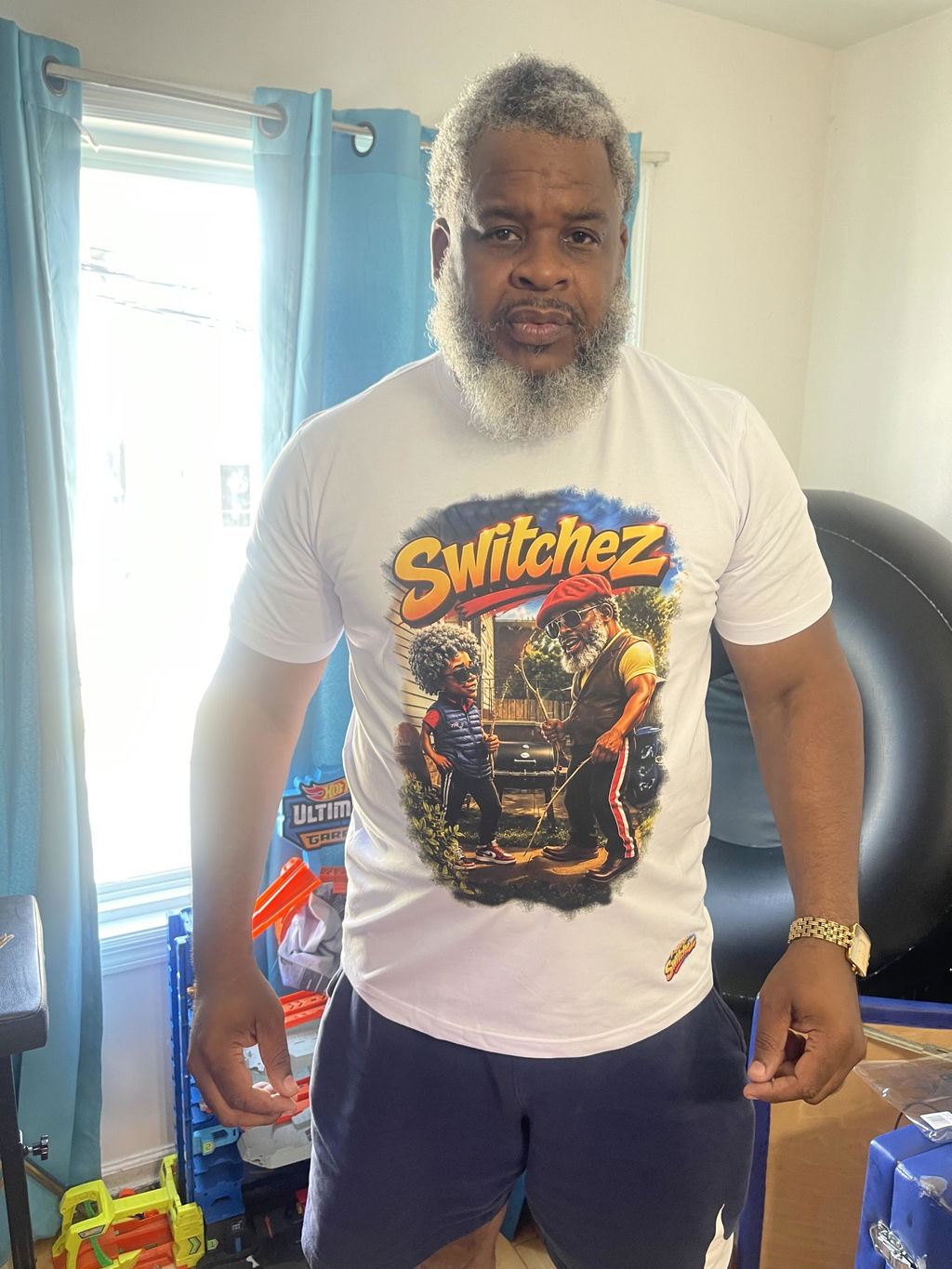
The Best Fabrics for DTF Printing versatility of Direct to Film (DTF) printing is arguably its greatest asset in the modern apparel decoration market. For decades, decorators were forced to choose between different technologies based on the material: screen printing for cotton, sublimation for white polyester, and vinyl for nylon or specialized athletic wear. DTF has effectively bridged these gaps, providing a "one-size-fits-all" solution that delivers vibrant, durable, and professional-grade prints across a massive spectrum of textiles.
However, understanding the unique behavior of each fabric is critical for achieving optimal results. Whether you are using high-quality Custom DTF Transfer products or printing your own gang sheets, knowing how to calibrate your process for different materials will elevate your shop from a hobbyist level to a professional production facility. In this guide, we explore the best fabrics for DTF and the technical nuances of pressing each one.
Why DTF is the Universal Choice
DTF technology functions by transferring a layer of cured ink and hot-melt adhesive powder directly onto the garment fibers. Unlike sublimation, which only works on light-colored synthetic materials, or screen printing, which requires different ink chemistries for different fabrics, DTF is largely substrate-agnostic.
This means that as long as the fabric can withstand the heat of the press (typically around 285°F to 300°F), you can print on it. This versatility allows businesses using Fast DTF Transfer to expand their product offerings from standard t-shirts to hats, jackets, bags, and athletic jerseys without needing new equipment.
1. 100% Cotton: The Industry Standard
Cotton remains the most popular fabric for apparel. It is soft, breathable, and highly absorbent, which makes it perfect for everyday wear.
Technical Nuances
Cotton is generally the easiest fabric for DTF pressing. Because of its natural fibers, it holds the heat-activated adhesive exceptionally well.
-
Pre-Pressing: Always pre-press cotton for at least 5–10 seconds to remove moisture. Cotton acts like a sponge for humidity, and trapped moisture is the primary cause of print failures.
-
Texture: If you are using a heavy-weight or "ring-spun" cotton, ensure your pressure is firm enough to push the adhesive into the weave.
2. 100% Polyester: The Athletic Powerhouse
Polyester is the material of choice for performance wear, sports jerseys, and corporate uniforms. It is durable, moisture-wicking, and wrinkle-resistant.
Technical Nuances
Polyester can be temperamental when it comes to heat.
-
Dye Migration: One of the most common issues with polyester is "dye migration," where the fabric dye bleeds into the ink during the heating process. If you notice a faint pink or blue hue appearing on your white ink, your press temperature is too high.
-
Low-Temperature Pressing: Many professional Custom DTF Transfer providers, including those at Fast DTF Transfer, offer low-temp adhesive options specifically for polyester to avoid damaging the synthetic fibers.
3. Poly-Cotton Blends: The Best of Both Worlds
Blends (like the classic 50/50 or 65/35) are incredibly popular because they combine the comfort of cotton with the durability and color retention of polyester.
Technical Nuances
Blends are extremely forgiving. Because they possess a mix of both fiber types, they react well to standard DTF settings.
-
Consistency: When pressing blends, focus on finding a "middle ground" temperature—usually 290°F. This provides enough heat for the cotton fibers to grab the adhesive while remaining cool enough to protect the polyester portion of the blend.
4. Nylon and Treated Fabrics: The Challenge
Nylon, commonly found in windbreakers, umbrellas, and heavy-duty backpacks, is notoriously difficult to decorate. Standard transfers often peel off nylon because it is naturally "slick" and non-porous.
Technical Nuances
-
Specialized Adhesives: If you are planning to decorate nylon, you must ensure your transfers use an adhesive powder designed for low-surface-energy plastics.
-
Pressure is Key: Use firm, consistent pressure to ensure the adhesive penetrates the surface.
-
Test Run: Always perform a test on a hidden area of the item before committing to a full production run.
Optimizing Your Workflow for Different Fabrics
No matter what fabric you choose, the goal is consistency. Here is a quick reference guide for your shop's operations:
| Fabric Type | Temperature Range | Pressure | Dwell Time |
| 100% Cotton | 290°F - 300°F | Firm | 12-15s |
| 100% Polyester | 280°F - 290°F | Medium | 10-12s |
| Poly-Cotton Blend | 285°F - 295°F | Medium-Firm | 12s |
| Nylon/Performance | 280°F (Low-temp) | Firm | 10s |
For comprehensive support on how to calibrate your press for these specific fabrics, refer to the guides on Fast DTF Transfer.
Industry Insights: Quality Assurance
The International Apparel Federation (IAF) continuously monitors the trends in textile decoration, noting a massive shift toward personalization. As decorators, your ability to handle diverse fabrics effectively is your competitive advantage. Whether you are printing for a high-end corporate client requiring polyester polos or a local band needing 100% cotton tees, DTF remains the most efficient, high-fidelity solution available.
Conclusion: Best Fabrics for DTF Printing
The ability to print on almost anything is not just a technical feature—it is a business strategy. By mastering the nuances of cotton, polyester, and performance blends, you position your brand as a versatile, go-to provider for all apparel needs.
Ready to see how your designs look on different fabrics? Visit Fast DTF Transfer today to order your Custom DTF Transfer and start experimenting with the full range of textiles today. With the right techniques and reliable transfers, the possibilities for your business are truly endless.
For more technical tips on garment preparation and heat-press management, explore the rest of our blog at Fast DTF Transfer.
Which of these fabrics are you currently finding the most challenging to work with in your shop, and would you like a custom troubleshooting guide for that specific material?