


DTF Transfer Film Sheets
DTF Transfer Film In the fast-paced world of custom apparel, efficiency is just as important as creativity. For years, designers were forced to choose between the high setup costs of screen printing or the limited durability of vinyl.
That has all changed. DTF (Direct to Film) transfer film sheets have revolutionized how we move designs from a computer screen to a finished garment. In 2026, this technology has become the "gold standard" for small businesses and hobbyists alike. It makes professional-grade customization faster, cheaper, and more accessible than ever before.
What Are DTF Transfer Film Sheets?
At its core, a DTF transfer film sheet is a specialized PET (Polyethylene Terephthalate) carrier. Unlike regular plastic or paper, these sheets are treated with a unique coating that allows them to "hold" wet ink without it running or smearing.
The process is simple but brilliant:
-
Your design is printed directly onto the film sheet using a DTF printer.
-
A layer of white ink is printed over the color to act as a base.
-
A hot-melt adhesive powder is applied to the wet ink.
-
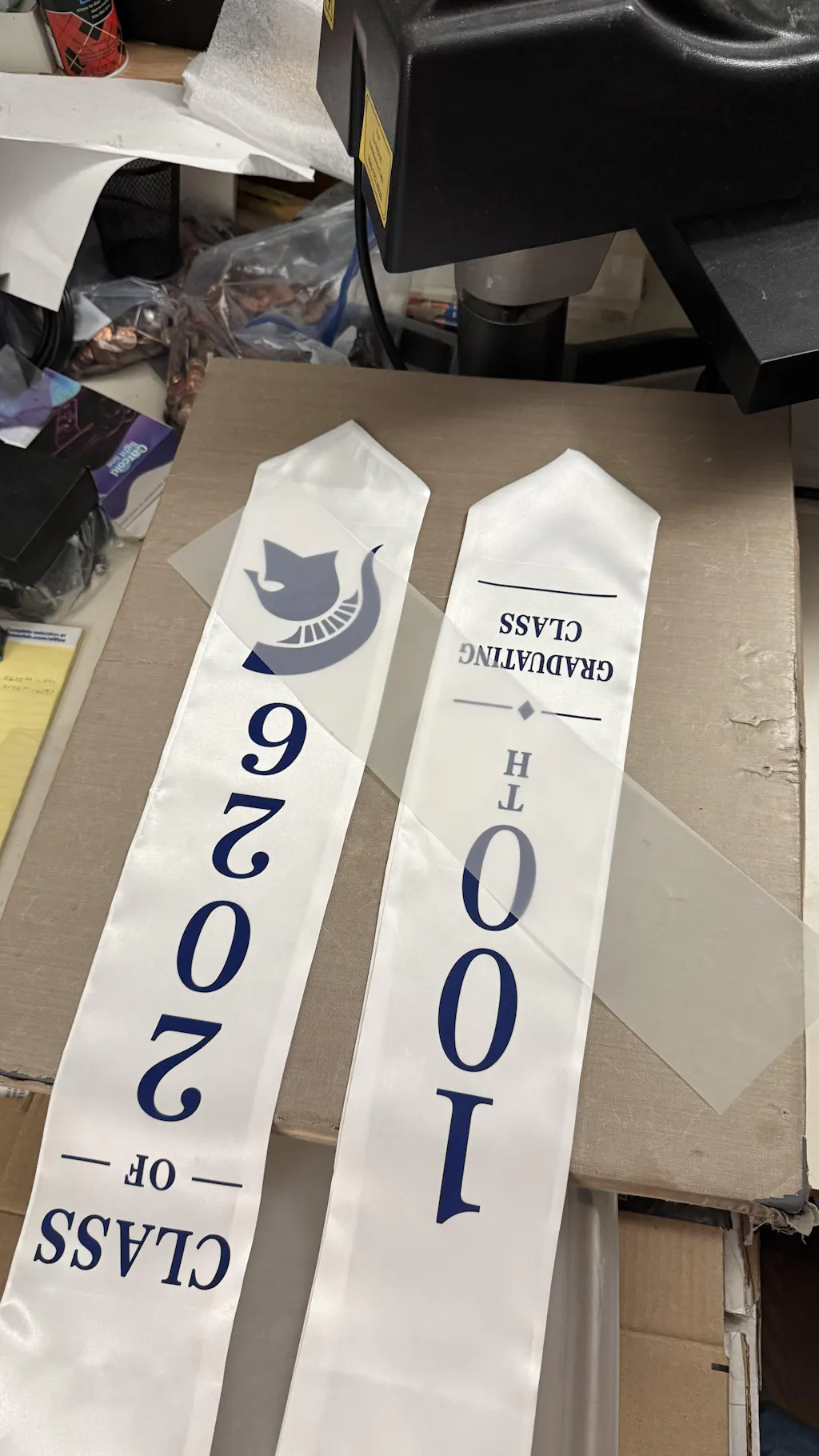
The sheet is cured with heat and then pressed onto the fabric.
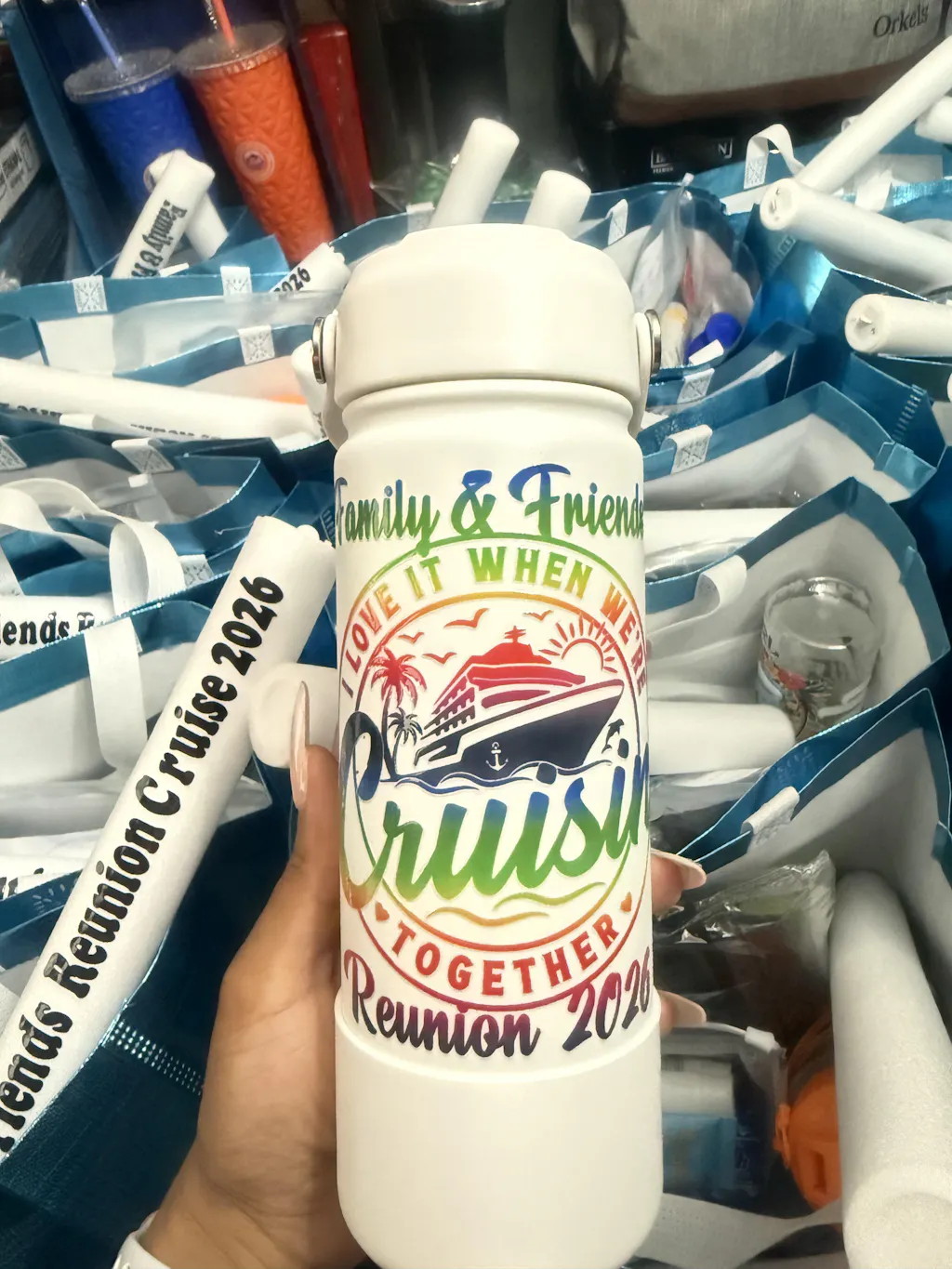
The result is a vibrant, stretchy, and incredibly durable design that looks like it was part of the fabric from the start.
Why DTF Sheets Are a Game Changer for Customization
Why is everyone switching to DTF film? It isn't just a trend; it’s a solution to the most common problems in the printing industry.
1. No More Weeding or Pre-Treatment If you have ever used HTV (Heat Transfer Vinyl), you know the nightmare of "weeding" tiny letters. With DTF sheets, there is no weeding. If you can print it, you can press it. Unlike DTG (Direct to Garment), you also don't need to spray smelly pre-treatment chemicals on your shirts.
2. Incredible Fabric Versatility Most printing methods are picky. Sublimation only works on white polyester. DTG struggles with dark synthetics. DTF transfer film sheets work on almost anything:
-
100% Cotton
-
Polyester and Spandex
-
Nylon and Leather
-
Canvas and Denim
-
Blends (50/50, Tri-blends)
3. Superior Stretch and Durability DTF prints are famously elastic. You can pull and twist the fabric, and the design will snap back into place without cracking. They are rated to last for 50+ washes, maintaining their color and crispness.
The Anatomy of a High-Quality Transfer Film
Not all film sheets are created equal. To get the best results, you need to understand what makes a "premium" sheet.
-
Double-Sided Matte Coating: This ensures the film doesn't slip in the printer and prevents static buildup, which can cause the adhesive powder to stick where it shouldn't.
-
Ink Absorption Layer: High-quality sheets can hold a high volume of ink. This is crucial for "Rich Black" tones and vibrant reds.
-
Easy Peel Technology: In 2026, Instant Hot Peel films are the favorite. They allow you to pull the film off immediately after pressing, saving valuable seconds during high-volume production.
Design Tips for DTF Film Printing
To make the leap from screen to fabric successful, your digital files need to be prepared correctly.
Resolution is Key Always design at 300 DPI (dots per inch). Because DTF film captures so much detail, a low-resolution image will show every pixel and blur, ruining the professional look.
Manage Your Transparency DTF prints the "empty" spaces as transparent. Ensure your background is removed and saved as a transparent PNG. If you leave a white box around your logo, the printer will print a white box on your shirt!
The "Safety Margin" When laying out multiple designs on a single sheet (known as a Gang Sheet), leave at least 0.5 inches of space between them. This gives you enough room to cut the designs out without accidentally slicing into your next masterpiece.
Step-by-Step: From Screen to Fabric
If you are new to the world of DTF, here is the simplified workflow:
-
Prepare: Create your artwork in CMYK mode at 300 DPI.
-
Print: Send the file to your DTF printer. The printer mirrors the image automatically.
-
Powder: While the ink is wet, cover it with DTF adhesive powder. Shake off the excess.
-
Cure: Place the sheet under a heat press or in a curing oven until the powder melts into a "sugar-like" texture.
-
Press: Place the film on your garment. Press at 300°F (150°C) for 12–15 seconds with medium pressure.
-
Peel: Depending on your film type, peel it off while it's hot or wait for it to cool down.
Common Mistakes to Avoid
-
Using the Wrong Side: DTF film has a "printing side" (usually the matte, slightly rough side). Printing on the glossy side will result in the ink pooling and sliding off.
-
Incomplete Curing: If the adhesive powder isn't fully melted, the design will peel off after the first wash.
-
Too Much Pressure: Excessive pressure can "push" the ink too deep into the fabric fibers, making the design look dull.
Conclusion: The Future of Fashion is Flexible
The journey from screens to fabrics used to be a complicated, messy process. Today, DTF transfer film sheets have streamlined that path. They offer the perfect balance of professional quality and ease of use.
Whether you are starting a clothing brand from your garage or running a high-volume print shop, these sheets are the key to unlocking unlimited creativity. In the world of 2026, if you can dream it on a screen, you can wear it on a fabric.
Leave a Comment